
- The Lesser Kudu: An African Antelope You Need To Know About
- lesser kudu vs greater kudu
- lesser kudu animal
- lesser kudu facts
- lesser kudu habitat
- lesser kudu hunting in urban areas
- lesser kudu antelope
- ❓ Frequently Asked Questions
- 💬 What is a Lesser Kudu and where can it be found?
- 💬 How do male and female Lesser Kudus differ?
- 💬 What makes Lesser Kudus unique among antelope species?
antelope-you-need-to-know-about">The Lesser Kudu: An African Antelope You Need To Know About
The lesser kudu (Tragelaphus imberbis) is a antelope found in East Africa. The species was first described by British zoologist Edward Blyth in 1869. It stands about 1.2 m (3.9 ft) at the shoulder and weighs around 140 kg (310 lb). Both sexes have lightly spiraled cylindrical horns which grow to about 70 cm (28 in) in length. Males tend to be slightly larger than females and have longer horns.
lesser kudu vs greater kudu
They need to feel loved and supported is universal. However, some people have a greater need for love and support than others. People with a greater need for love and support often feel insecure anxious and unlovable. They may have difficulty trusting others and may constantly seek reassurance that they are loved. On the other hand, people with a lesser need for love and support often feel confident secure, and independent. They are more likely to trust others and may not need as much reassurance that they are loved.
lesser kudu animal
The lesser mustang is a small horse that lives in the wild in the western United States. These horses are actually a subspecies of the more common American Mustang and they are much smaller in size. In fact, the average lesser mustang only weighs about 700 pounds while the average American Mustang weighs around 1,000 pounds. Lesser mustangs are also more slender than their cousins with narrower heads and long legs.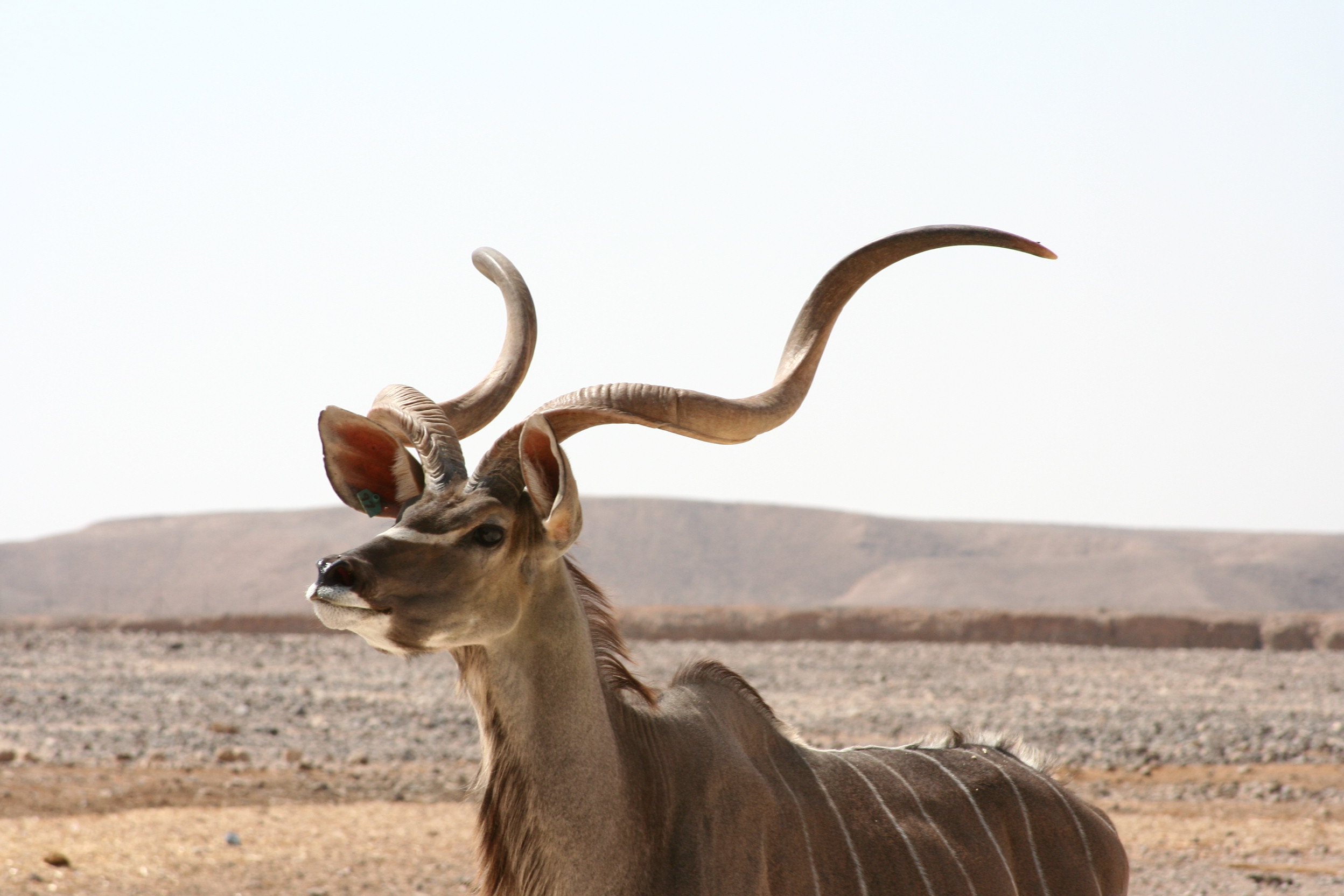
lesser kudu facts
The lesser kudu (Tragelaphus imberbis) is a forest antelope found in East Africa. It is characterized by its narrow body vertical stripes on the torso two-toned coat and spiraling horns. The lesser kudu has a wide range of vocalizations including a distinctive "bark" which is used as an alarm call. Both sexes possess horns with those of males being more than twice the length of those of females. Males weigh between 90 and 120 kg (200 and 265 lb) while females weigh between 70 and 90 kg (150 and 200 lb).lesser kudu habitat
A lesser need habitat is an area where the animals have everything they need to live but don't require as much space as they would in the wild. This can be beneficial for both the animals and the people who care for them as it reduces the amount of space that needs to be maintained and gives the animals a more naturalistic environment. Lesser need habitats are often used in zoos and aquariums as well as in private homes.
lesser kudu hunting in urban areas
There are a number of reasons why hunting in urban areas should be discouraged. First and foremost it is simply not safe. There are too many people and too many pets for hunters to be able to safely shoot an animal without risking hitting a human or non-target animal. Second, it is disruptive to the peace and quiet that most people expect in an urban area. The sound of gunshots can be very disturbing, especially to children and the elderly. Finally, it can be damaging to property. A wayward bullet can easily damage a window or even a car. For all of these reasons hunting in urban areas should be discouraged.
lesser kudu antelope
The lesser kudu (Tragelaphus imberbis) is a forest antelope found in East Africa. It is the second smallest member of the family Bovidae and was first described by the English zoologist Edward Blyth in 1869. The lesser kudu stands 110–140 cm (43–55 in) at the shoulder and weighs 90–145 kg (198–320 lb). It exhibits sexual dimorphism with males being larger than females. Both sexes possess horns that are ridged on the outer surface and spiral in shape. The horns of bulls tend to be thicker and more heavily ridged than those of cows.❓ Frequently Asked Questions
💬 What is a Lesser Kudu and where can it be found?
The Lesser Kudu is an antelope species native to East Africa, first described by British zoologist Edward Blyth in 1869. These antelopes typically stand about 1.2 meters tall at the shoulder and are characterized by their lightly spiraled cylindrical horns that can grow up to 70 cm in length.
💬 How do male and female Lesser Kudus differ?
Male and female Lesser Kudus both have horns, but males tend to be slightly larger and have longer horns. Both sexes share similar physical characteristics, with the species typically weighing around 140 kg and having a distinctive appearance in their native East African habitat.
💬 What makes Lesser Kudus unique among antelope species?
Lesser Kudus are distinguished by their impressive spiral horns and their adaptation to the woodland and bush habitats of East Africa. They are smaller than their cousin the Greater Kudu, and have a slender, agile build that helps them navigate through dense vegetation in their natural environment.